
Sapphire Engagement Rings: Expert Guide for 2026

When you're shopping for the perfect engagement ring, you don't have to follow tradition. While diamonds remain popular, sapphire engagement rings offer something truly special—vibrant color, exceptional durability, and a meaningful alternative that stands out from the crowd.
Whether you're drawn to the classic deep blue or fancy exploring pink, yellow, or even white sapphires, this guide will help you understand everything you need to know about choosing a sapphire engagement ring that's perfect for you.
Why Choose a Sapphire Engagement Ring?
Sapphires have been treasured for centuries, symbolizing wisdom, royalty, and enduring love. They're not just beautiful—they tell a story. When Princess Diana (and later Kate Middleton) wore her iconic sapphire engagement ring, it sparked renewed interest in colored gemstone rings around the world.
But beyond the royal connection, there are practical reasons why sapphires make excellent engagement rings:
-
Unique personality: You're choosing something that reflects your individual style rather than following the crowd
-
Rich symbolism: Sapphires represent loyalty, trust, and faithfulness—perfect for a lifelong commitment
-
Exceptional durability: Second only to diamonds in hardness, they're built for everyday wear
-
Value proposition: You can often get a larger, more impressive stone for your budget
- Versatility: Available in nearly every color, allowing for complete personalization
If you're considering alternatives to traditional diamond rings, lab diamond engagement rings and sapphire rings both offer ethical, unique options that don't compromise on quality or beauty.
Sapphire vs. Diamond: What's the Difference?
Let's talk about the practical differences between these two popular gemstones. Understanding what makes each unique will help you make the right choice for your ring.
Hardness & Durability
Diamond: Scores a perfect 10 on the Mohs hardness scale
Sapphire: Comes in at 9 on the Mohs scale
Both are incredibly durable for daily wear. That one-point difference won't affect your ring's ability to last a lifetime.
Brilliance & Sparkle
Diamond: Exceptional light refraction creates that signature sparkle
Sapphire: Rich, saturated color with more subtle brilliance
Diamonds shine bright, sapphires glow deep. It's about whether you want sparkle or color depth.
Color Options
Diamond: Primarily colorless (though fancy colors exist)
Sapphire: Every color except red—blue, pink, yellow, orange, green, and more
If you love color and want something distinctive, sapphires are unbeatable.
Price & Value
Diamond: Higher price per carat, especially for quality stones
Sapphire: Generally more affordable, allowing for larger stones
Your budget can go further with sapphires while still getting an impressive, high-quality gemstone.
At Lovelri, we work with both sapphires and diamonds (including lab-grown diamonds) to create custom engagement rings that reflect your unique vision and values.
The Rainbow of Sapphire Colors
Here's something many people don't realize: sapphires aren't just blue. They come in an incredible spectrum of colors, each with its own character and appeal.
Blue Sapphires
The classic choice. The most prized blue sapphires have a rich, velvety royal blue color—not too dark, not too light. Kashmir sapphires are legendary for their cornflower blue hue with a slightly velvety appearance.
Best for: Traditional engagement rings with a twist, those who love classic elegance
Pink Sapphires
Romantic and feminine, pink sapphires range from delicate pastel to vibrant hot pink. They're gaining popularity as engagement ring center stones and look stunning in halo settings.
Best for: Modern romantics, those seeking a softer alternative to red rubies
Yellow Sapphires
Sunny and joyful, yellow sapphires bring warmth and brightness. They look particularly beautiful set in yellow gold, creating a cohesive golden glow.
Best for: Optimistic spirits, vintage-inspired designs
Padparadscha Sapphires
The rarest and most coveted variety, padparadscha sapphires display a gorgeous blend of pink and orange—like a tropical sunset. The name comes from the Sinhalese word for lotus flower.
Best for: Collectors, those seeking something truly one-of-a-kind
White Sapphires
Colorless and brilliant, white sapphires offer a diamond alternative without the diamond price tag. They work beautifully in traditional settings.
Best for: Budget-conscious shoppers who want the classic look
Teal & Green Sapphires
These nature-inspired hues are perfect for those who want something truly different. Teal sapphires in particular have surged in popularity among alternative brides.
Best for: Nature lovers, unconventional spirits
Pro tip: The "something blue" wedding tradition makes blue sapphire rings a meaningful choice that honors custom while staying unique.
Understanding Sapphire Quality: The Four Factors
Just like diamonds, sapphires are evaluated on specific quality factors. But with colored gemstones, the criteria are a bit different. Here's what matters most:
1. Color (Most Important)
This is the biggest factor affecting a sapphire's value and beauty. Gemologists look at three aspects:
-
Hue: The primary color—blue, pink, yellow, etc.
-
Tone: How light or dark the color is
- Saturation: The intensity and purity of the color
Look for sapphires with strong, vivid color that's evenly distributed throughout the stone. Avoid stones that are too dark (appearing almost black) or too pale.
2. Clarity
Sapphires naturally contain small inclusions (internal characteristics). Unlike diamonds, some inclusions are acceptable and even expected in colored gemstones.
Choose a sapphire that's "eye-clean"—meaning you can't see inclusions with the naked eye. Slight inclusions visible only under magnification won't affect the beauty or durability of your ring.
3. Cut
The cut affects how the sapphire reflects light and displays its color. A well-cut sapphire will have even color distribution and good brilliance.
Popular cuts include oval (most common), cushion, round, emerald, and pear. The best cut depends on your setting style and personal preference.
4. Carat Weight
Sapphires are denser than diamonds, so a 1-carat sapphire will appear smaller than a 1-carat diamond.
Focus on the visual size (measured in millimeters) rather than just carat weight when comparing sapphires.
Treatment & Enhancement
It's important to know that most sapphires on the market have been heat-treated to enhance their color. This is a standard, accepted practice that's permanent and doesn't affect durability. However, untreated sapphires with good color are rarer and more valuable.
Always ask about treatment when shopping for sapphires, and make sure it's disclosed in writing.
Is a Sapphire Right for Daily Wear?
Absolutely! This is one of the best things about sapphire engagement rings—they're tough enough to handle real life.
With a hardness rating of 9 on the Mohs scale, sapphires are second only to diamonds. They resist scratching exceptionally well and won't chip or crack under normal wear. You can wear your sapphire engagement ring every day without worry, whether you're typing at a keyboard, working out at the gym, or cooking dinner.
This durability makes sapphires an excellent choice for people with active lifestyles who want a ring that's beautiful but also practical.
Quick comparison: Sapphires are significantly harder than other popular colored gemstones like emeralds (7.5-8) or aquamarines (7.5-8), making them a smarter choice for rings that will be worn daily.
Like any fine jewelry, your sapphire ring will benefit from reasonable care—remove it during heavy manual work or when using harsh chemicals, but otherwise, you're good to go.
Best Ring Styles for Sapphires
One of the joys of choosing a sapphire is deciding how to showcase its unique color. Different settings can dramatically change the look and feel of your ring.
Solitaire Settings
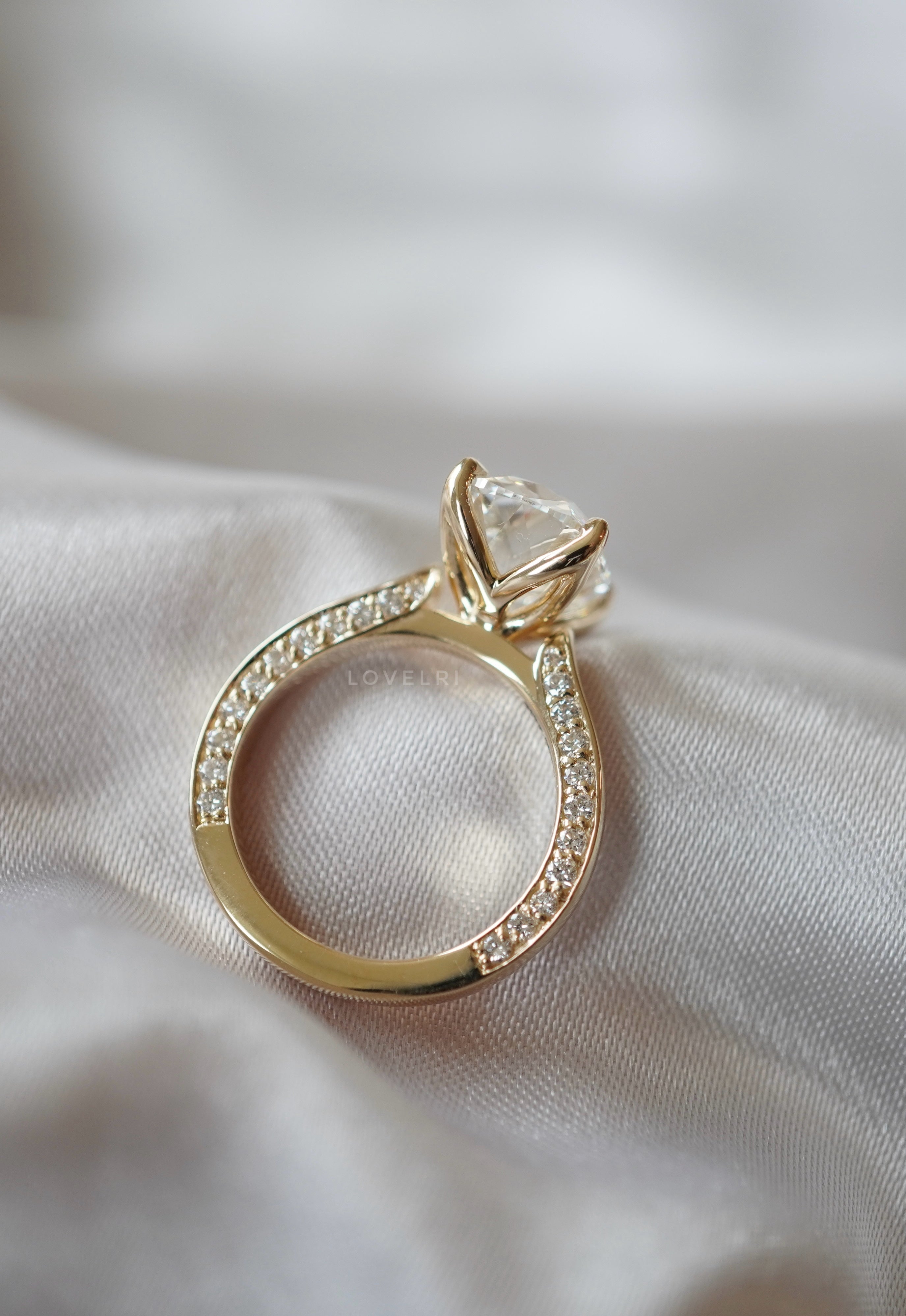
A classic solitaire setting lets your sapphire take center stage. The simple elegance of a solitaire works beautifully with the rich color of sapphires, creating a timeless look that never goes out of style.
Best metal pairing: Platinum or white gold for blue sapphires creates stunning contrast; yellow gold warms up pink and yellow sapphires
Halo Settings
Surrounding your sapphire with a circle of diamonds adds sparkle and makes the center stone appear larger. Halo rings are particularly popular with colored gemstones because the contrast between the color and the diamonds is so striking.
Design tip: A thin, delicate halo maintains focus on the sapphire; a thicker halo creates more diamond presence
Three-Stone Settings
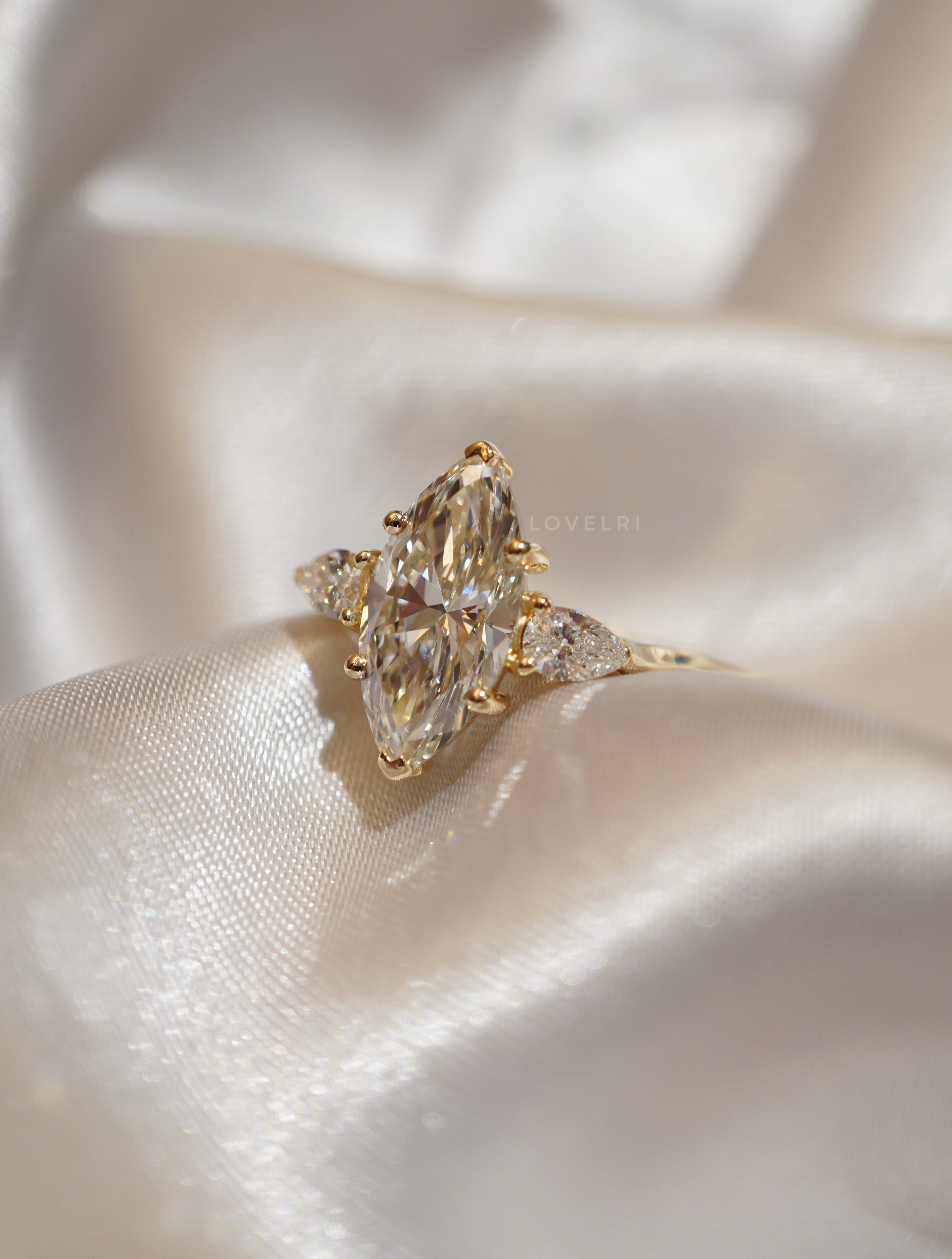
Place your sapphire between two diamonds (or other gemstones) for a balanced, meaningful design. The three stones traditionally represent your past, present, and future together.
Popular combination: Center sapphire flanked by two diamonds offers maximum contrast and sparkle
Vintage-Inspired Designs
Sapphires have a rich history, making them perfect for vintage or antique-style settings. Think art deco geometric patterns, intricate filigree, or Victorian-era details.
Era spotlight: Art deco designs from the 1920s-1930s paired beautifully with sapphires and are incredibly popular today
Modern & Minimalist
Contemporary modern designs with clean lines and sleek settings let the sapphire's color do the talking. Think bezel settings, tension settings, or simple bands with unique architectural elements.
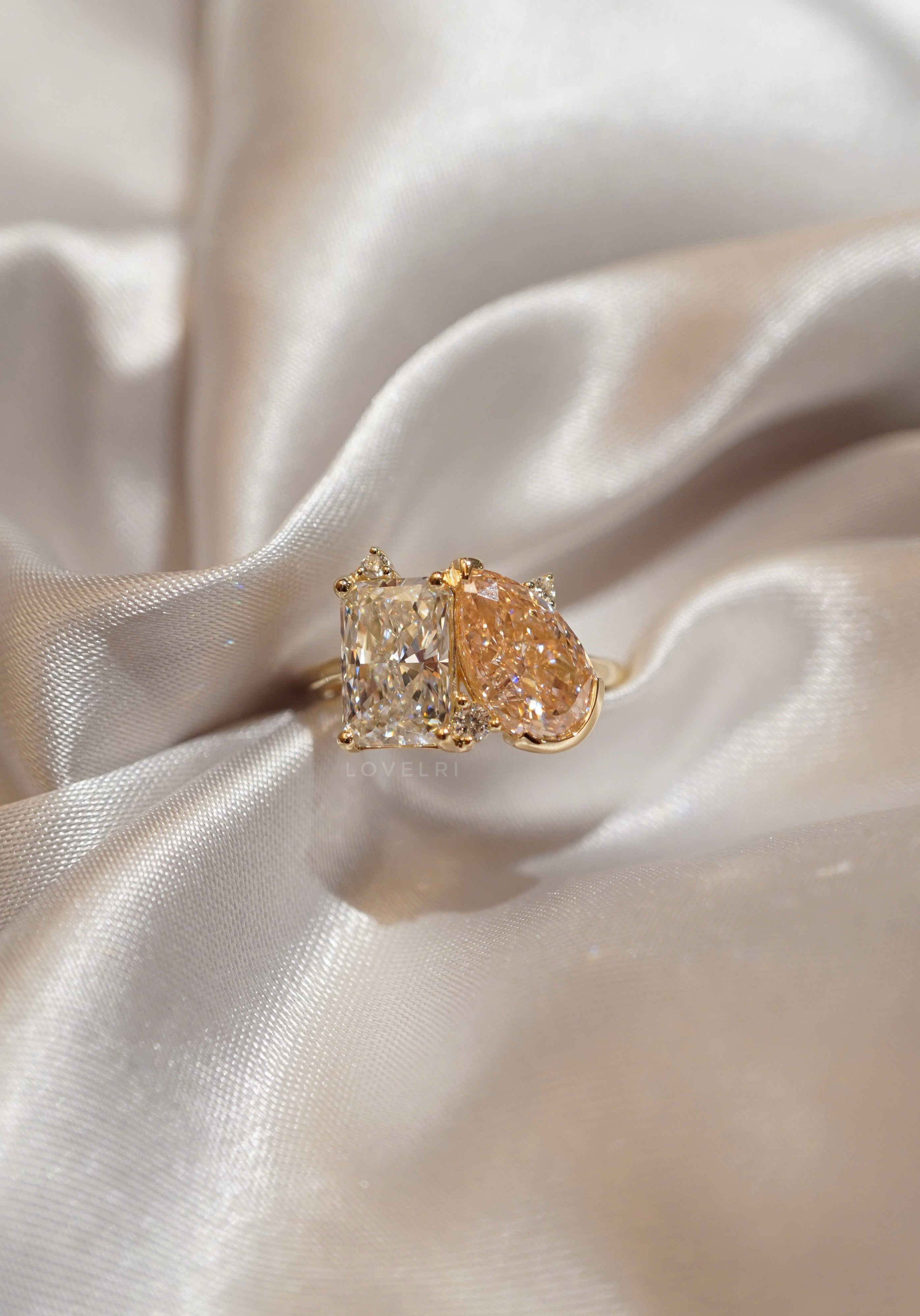
Trending now: East-West settings (where the stone is set horizontally) create an unexpected, fashion-forward look
Side Stone Accents
Adding diamonds or smaller sapphires along the band brings extra sparkle without overwhelming the center stone. This is a great way to add personality and detail to your ring.
Check out: Our collection of side stone engagement rings for inspiration
Metal matters: The metal you choose affects how your sapphire's color appears. White metals (platinum, white gold) provide cool contrast that makes blue sapphires pop. Yellow gold brings warmth that complements pink and yellow sapphires beautifully. Rose gold creates a romantic, vintage feel with any sapphire color.
Caring for Your Sapphire Engagement Ring
Good news: sapphires are relatively low-maintenance. But like any precious jewelry, a little care goes a long way in keeping your ring looking brilliant.
Daily Wear Tips
- Remove your ring when doing heavy manual labor or yard work
- Take it off before applying lotions, perfumes, or hairspray
- Avoid wearing it when using harsh cleaning chemicals
- Put your ring on last when getting ready and take it off first when you get home
Regular Cleaning
Keep your sapphire sparkling with regular cleaning:
- Mix warm water with a few drops of mild dish soap
- Let your ring soak for 20-30 minutes
- Gently brush with a soft toothbrush, paying attention to underneath the stone
- Rinse thoroughly with warm water
- Dry with a soft, lint-free cloth
Do this weekly to prevent buildup of oils and dirt that can dull your sapphire's color.
Professional Maintenance
Visit your jeweler at least once a year for:
- Professional cleaning and inspection
- Prong tightening (ensures your stone stays secure)
- Overall condition check
At Lovelri, we offer comprehensive aftercare services and our Limited Lifetime Warranty protects against manufacturing defects, giving you peace of mind for years to come.
Storage
When you're not wearing your sapphire ring:
- Store it separately from other jewelry to prevent scratching
- Keep it in a soft pouch or lined jewelry box
- Avoid exposing it to extreme temperatures or direct sunlight for extended periods
Customizing Your Sapphire Engagement Ring
One of the most exciting aspects of choosing a sapphire ring is the opportunity to create something completely unique. Custom design lets you select every detail to create a ring that's perfectly yours.
The Custom Design Journey
Start by selecting your center stone. Decide on color, size, cut, and quality. This is the foundation of your ring, so take your time exploring different options.
Consider looking at stones in person when possible—photos don't always capture the true depth and character of a colored gemstone.
Choose the overall design—solitaire, halo, three-stone, vintage-inspired, or completely custom. Think about your personal style and how you want your ring to feel.
Pick Your Metal
Platinum, white gold, yellow gold, or rose gold—each creates a different look with your sapphire. Consider durability, color preference, and how it complements your skin tone.
Add Personal Touches
Include accent stones, engraving, unique prong styles, or meaningful details that make the ring distinctly yours.
At Lovelri, our master jewelers guide you through every step of creating your custom engagement ring. We source high-quality sapphires and craft each piece by hand in our Toronto studio, ensuring your ring is made with expert craftsmanship and attention to detail.
"Working with Lovelri to create my custom sapphire ring was an incredible experience. They helped me select the perfect teal sapphire and designed a ring that's more beautiful than I imagined. It's truly one of a kind."
— Sarah M., TorontoWhat Does a Sapphire Engagement Ring Cost?
One of the most common questions about sapphire rings is: what should I expect to pay? The answer depends on several factors, but generally, sapphires offer excellent value compared to diamonds.
Factors Affecting Price
Sapphire Quality & Origin
The color, clarity, cut, and carat weight of your sapphire significantly impact price. Kashmir sapphires command premium prices due to their legendary quality and rarity. Burmese and Sri Lankan sapphires are also highly valued.
Price range: $800-$15,000+ per carat for fine quality natural sapphires
Treatment Status
Untreated sapphires with good color are rarer and cost more than heat-treated stones. However, heat treatment is standard practice and doesn't affect durability or beauty.
Price difference: Untreated stones can cost 20-50% more than treated equivalents
Setting Complexity
A simple solitaire costs less than an intricate halo or vintage-inspired design with detailed metalwork.
Setting range: $800-$5,000+ depending on metal, design complexity, and accent stones
Metal Choice
Platinum costs more than gold due to its density and purity. Within gold, the karat (14K vs 18K) also affects price.
Realistic Budget Ranges
-
$2,000-$4,000: Beautiful sapphire ring with good quality stone and elegant setting
-
$4,000-$8,000: Excellent quality sapphire (1-2 carats) in a more elaborate setting with accent diamonds
-
$8,000-$15,000: High-quality sapphire with superior color, larger size, or custom design with intricate details
- $15,000+: Exceptional sapphires (rare colors, untreated, or large size) in luxury settings
The Value Advantage
Here's what makes sapphires such smart choices: for the same budget, you can typically get a larger, more impressive sapphire than you could a diamond. A 2-carat sapphire of excellent quality might cost the same as a 1-carat diamond of comparable quality.
You're getting more visual impact, distinctive color, and exceptional durability—all while staying within your budget.
Why Sapphires Are Trending Now
Sapphire engagement rings are having a major moment. Here's why more couples are choosing these colored gemstones:
Individuality Matters
Modern couples want rings that reflect their unique personalities, not just follow tradition. Sapphires offer endless possibilities for personalization through color choice and custom design.
Celebrity Influence
From Princess Diana's iconic ring to recent celebrity engagements featuring colored gemstones, sapphires have captured public imagination. They're seen as sophisticated, distinctive, and meaningful.
Value Consciousness
Today's couples are savvy shoppers who appreciate getting more for their money. Sapphires deliver stunning beauty and durability at price points that feel more accessible than comparable diamonds.
Ethical Considerations
Like lab-grown diamonds, sapphires appeal to environmentally conscious couples. While sourcing matters with any gemstone, sapphires haven't carried the same ethical concerns historically associated with diamond mining.
Versatile Beauty
Sapphires work with every style—from classic and romantic to modern and edgy. Whether you're drawn to vintage aesthetics or contemporary minimalism, there's a sapphire ring style for you.
Meaningful Symbolism
The "something blue" tradition aligns perfectly with sapphire rings. Plus, sapphires are September's birthstone, making them extra meaningful for fall proposals or September birthdays.
Finding Your Perfect Sapphire Engagement Ring
Choosing a sapphire engagement ring is about more than picking a beautiful stone—it's about finding a piece that tells your unique love story. Whether you're drawn to the classic elegance of a deep blue sapphire, the romantic allure of pink, or the distinctive character of teal or yellow, your perfect sapphire is waiting.
The key is working with jewelers who understand colored gemstones and can guide you through the selection process with expertise and care. From sourcing high-quality sapphires to crafting the perfect setting, every detail matters in creating a ring you'll treasure forever.