
Lab-Grown Diamond Engagement Rings: The Complete Buyer's Guide
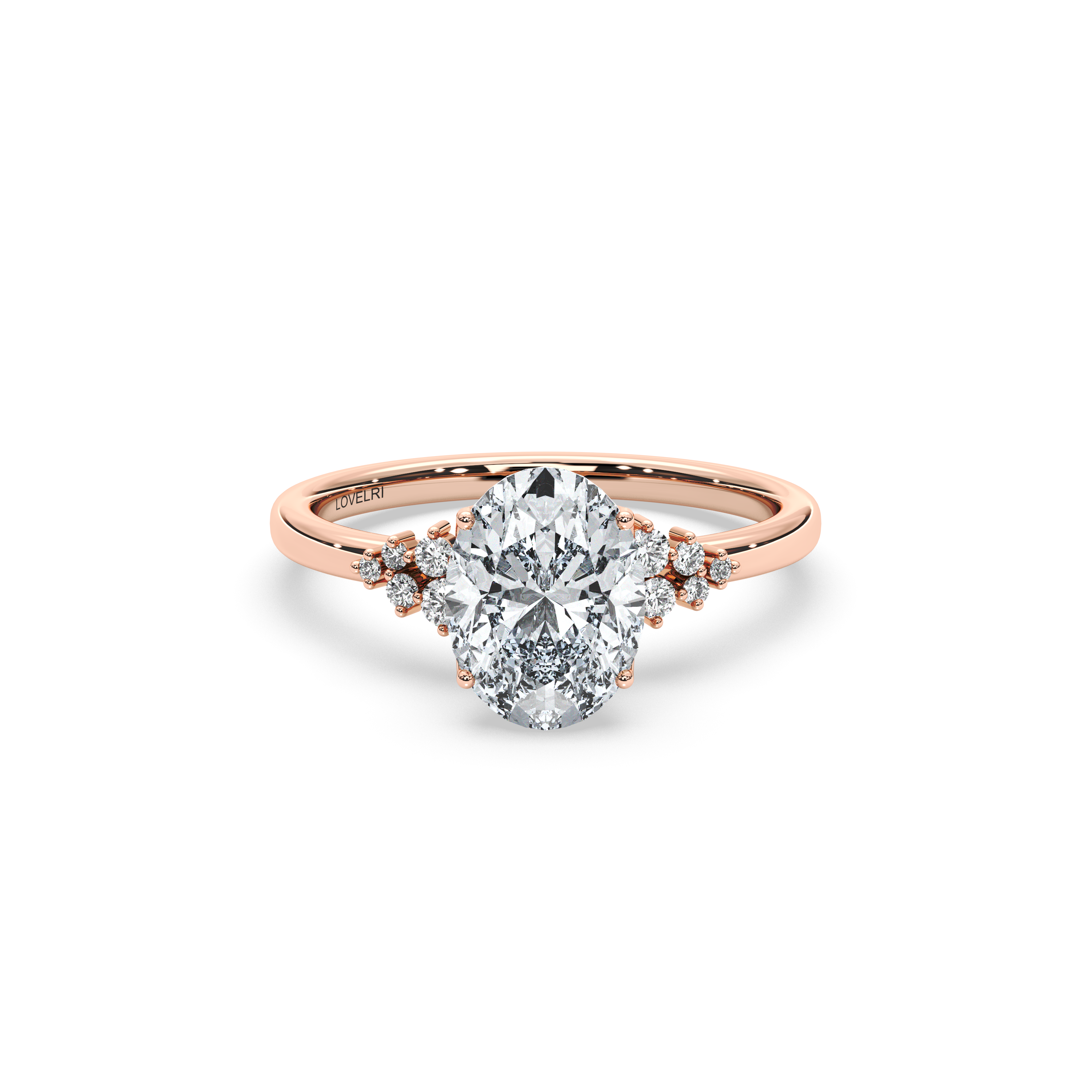
Choosing an engagement ring is one of the most meaningful decisions you'll ever make. It's a symbol of your commitment, your shared values, and the life you're building together. For a growing number of couples across Canada and around the world, lab-grown diamond engagement rings have become the clear choice, and it's easy to understand why.
Lab-grown diamonds deliver the same breathtaking brilliance, the same certified quality, and the same enduring hardness as mined diamonds. But they also offer something more: peace of mind. They're ethically produced, environmentally conscious, and priced in a way that lets you choose a larger, more stunning stone without compromise.
In this guide, we'll walk you through everything you need to know about lab-grown diamond engagement rings. From understanding the science behind these stones to exploring the ring settings and styles that will make your piece truly unforgettable, you'll have the knowledge and confidence to make the perfect choice.
What Are Lab-Grown Diamonds, and How Are They Made?
Lab-grown diamonds are real diamonds. This isn't a marketing claim; it's a scientific fact. They share the exact same chemical composition (pure carbon), crystal structure, and optical properties as diamonds formed deep within the Earth over billions of years. The difference is simply their origin.
Two primary methods are used to create lab-grown diamonds:|
- High Pressure High Temperature (HPHT): This method mirrors the natural conditions found deep in the Earth's mantle. A small diamond seed is placed in a carbon-rich environment and subjected to extreme pressure (over 1.5 million pounds per square inch) and temperatures exceeding 1,500°C. Over weeks, carbon atoms crystallize around the seed, forming a rough diamond.
- Chemical Vapor Deposition (CVD): A diamond seed is placed inside a sealed chamber and exposed to a carbon-rich gas mixture, typically methane. The chamber is heated to around 800°C, which breaks down the gas molecules. Carbon atoms then settle onto the seed layer by layer, gradually growing a diamond crystal with exceptional purity.
Both processes produce diamonds that are optically, physically, and chemically identical to mined stones. They score a perfect 10 on the Mohs hardness scale, they refract light with the same fire and scintillation, and they're graded using the same 4Cs framework (Cut, Color, Clarity, and Carat) by leading gemological laboratories.
Why Choose a Lab-Grown Diamond Engagement Ring?
The decision to buy a lab-grown diamond isn't simply about saving money, though the financial advantage is significant. It's about aligning your purchase with your values while still receiving an extraordinary piece of jewellery. Here are the key reasons couples are making this choice.
Ethical Sourcing You Can Trust
Traditional diamond mining has long been associated with environmental degradation, displacement of communities, and, in some regions, conflict financing. Lab-grown diamonds eliminate these concerns entirely. They're produced in controlled, regulated facilities with full supply chain transparency. When you wear a lab-grown diamond, you know exactly where it came from and how it was made.
For couples who care about the story behind their ring, this matters deeply. Your engagement ring should represent love, not compromise.
Exceptional Value Without Sacrifice
Lab-grown diamonds are typically priced 30% to 50% less than comparable mined diamonds. This isn't because they're inferior in any way. It's because the production process is more efficient and doesn't carry the same extraction, transportation, and middleman costs.
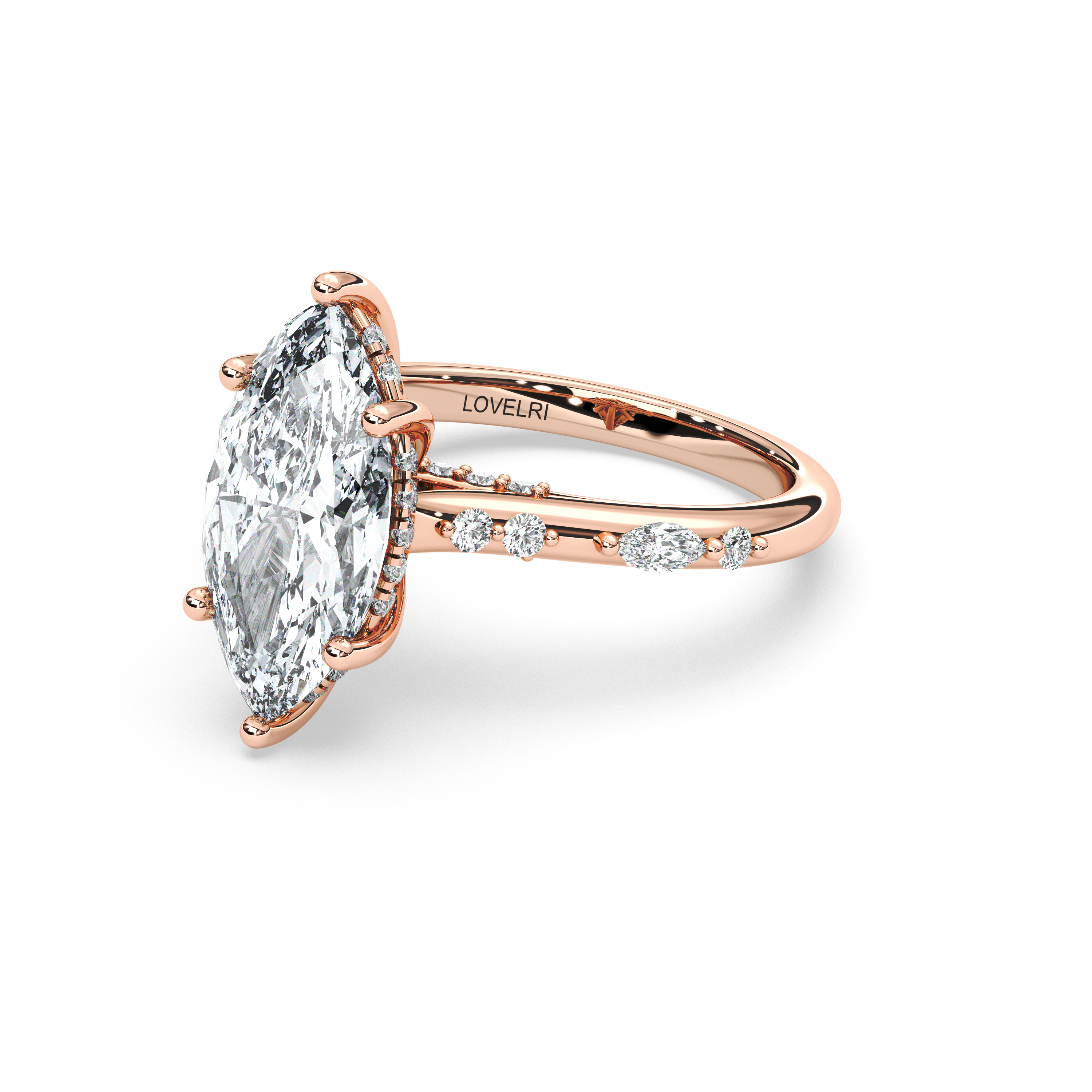
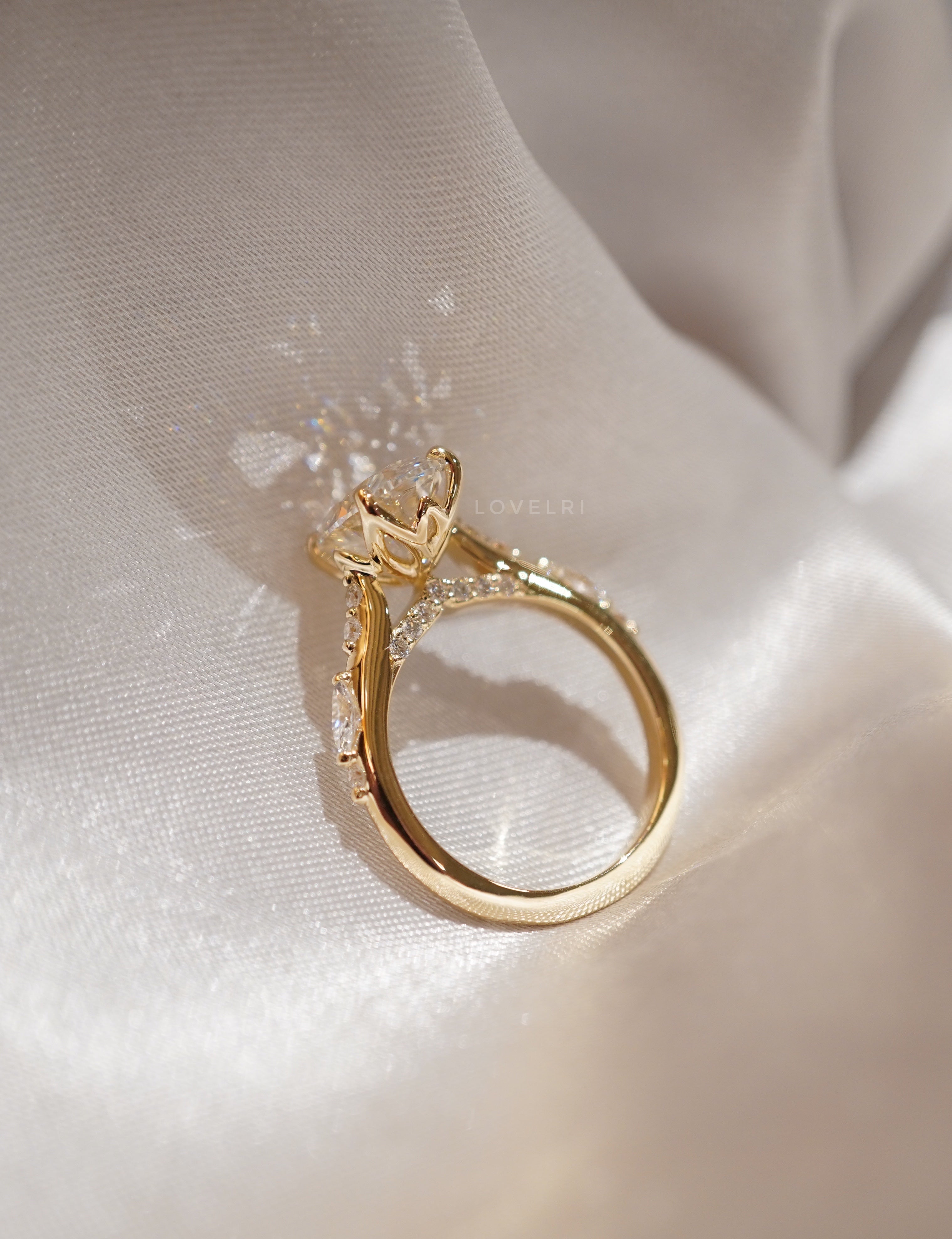
What does this mean in practical terms? You can select a larger carat weight, a higher clarity grade, or a more precise cut, all while staying within your original budget. Or, you might choose to invest the savings into a more elaborate setting, like a halo or hidden halo design with accent stones, or a pavé band that amplifies the sparkle from every angle.
IGI Certification and Quality Assurance
Reputable lab-grown diamonds come with certification from recognized gemological institutes, most commonly the International Gemological Institute (IGI). An IGI certificate provides an objective, detailed report on your diamond's 4Cs: its carat weight, colour grade, clarity grade, and cut quality.
This certification gives you the same confidence you'd have purchasing a mined diamond with a GIA report. It's a guarantee of authenticity, quality, and value that protects your investment.
Environmental Responsibility
Diamond mining requires the removal of massive quantities of earth and rock, significant water usage, and substantial energy consumption. Lab-grown diamonds, while not entirely without environmental impact, require a fraction of the land disturbance and can increasingly be powered by renewable energy sources.
For couples building a future together with sustainability in mind, a lab-grown diamond is a meaningful step in the right direction.
Lab-Grown Diamonds vs. Moissanite: Understanding Your Options
When exploring alternatives to mined diamonds, you'll frequently encounter both lab-grown diamonds and moissanite. Both are excellent choices, but they serve different preferences and budgets. Understanding the distinction helps you make an informed decision.
| Property | Lab-Grown Diamond | Moissanite |
|---|---|---|
| Composition | Pure carbon (identical to mined diamonds) | Silicon carbide |
| Hardness | 10 on Mohs scale | 9.25 on Mohs scale |
| Brilliance | High brilliance with balanced fire | Higher refractive index, more colourful fire |
| Price | 30–50% less than mined diamonds | Significantly more affordable than both |
| Certification | IGI, GIA certified | Grading reports available |
| Best For | Those who want a true diamond at better value | Those who prioritize budget and unique brilliance |
Lab-grown diamonds are the ideal choice if having a genuine diamond is important to you. They carry the same prestige, the same resale perception, and the same emotional significance.
Moissanite engagement rings, on the other hand, are perfect for couples who want maximum sparkle at an accessible price point. Moissanite actually has a higher refractive index than diamond, which means it disperses light into more vivid rainbow flashes. Many couples love this distinctive, eye-catching quality.
At Lovelri, every ring is available with your choice of centre stone, whether that's a lab-grown diamond, moissanite, or natural diamond, so you never have to compromise on style to fit your preferred material.
Choosing the Perfect Engagement Ring Setting
Your centre stone tells one part of the story. The setting tells the rest. The right setting enhances your diamond's brilliance, reflects your personal style, and determines how the ring sits on your hand day after day. Here's a closer look at the most popular engagement ring settings and who they're best suited for.
Solitaire: Timeless Simplicity
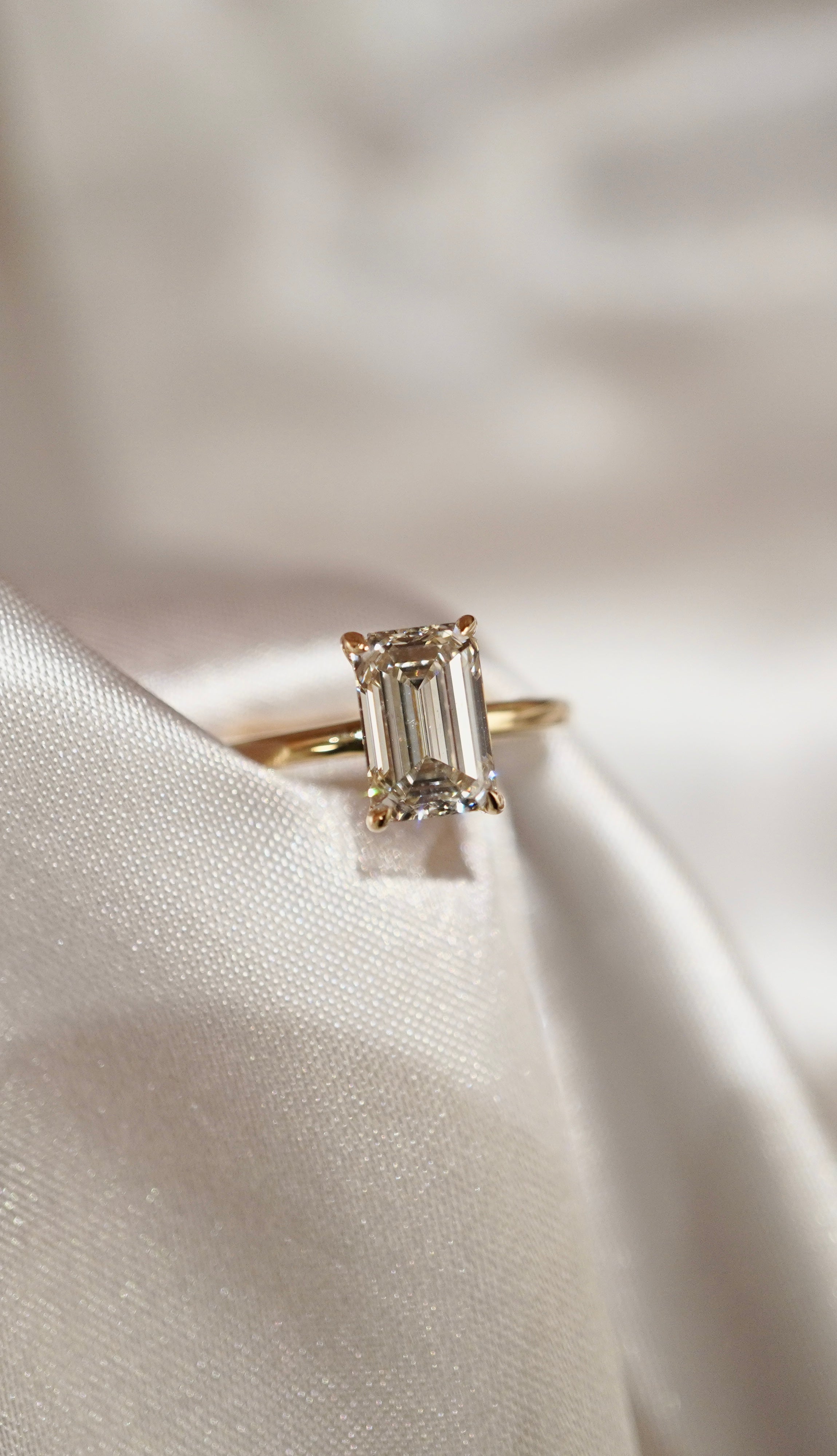
The solitaire setting is the most iconic engagement ring design in history, and for good reason. A single centre stone is held by a minimal number of prongs on a clean band, allowing the diamond to command all the attention.
A solitaire is ideal if you appreciate understated elegance and want your lab-grown diamond to be the undisputed focal point. It's also the most versatile setting, pairing beautifully with any wedding band style.
Halo and Hidden Halo: Maximum Sparkle
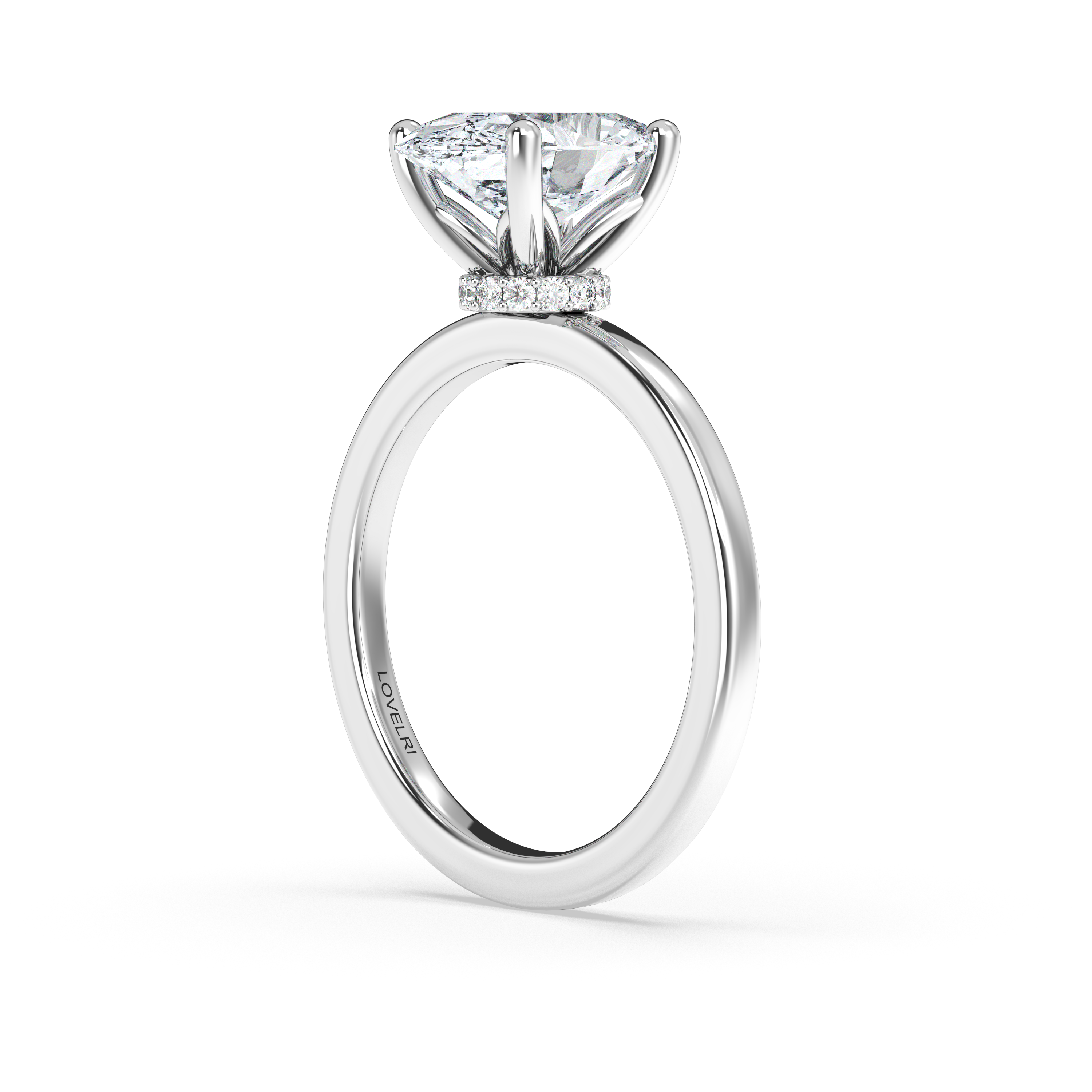
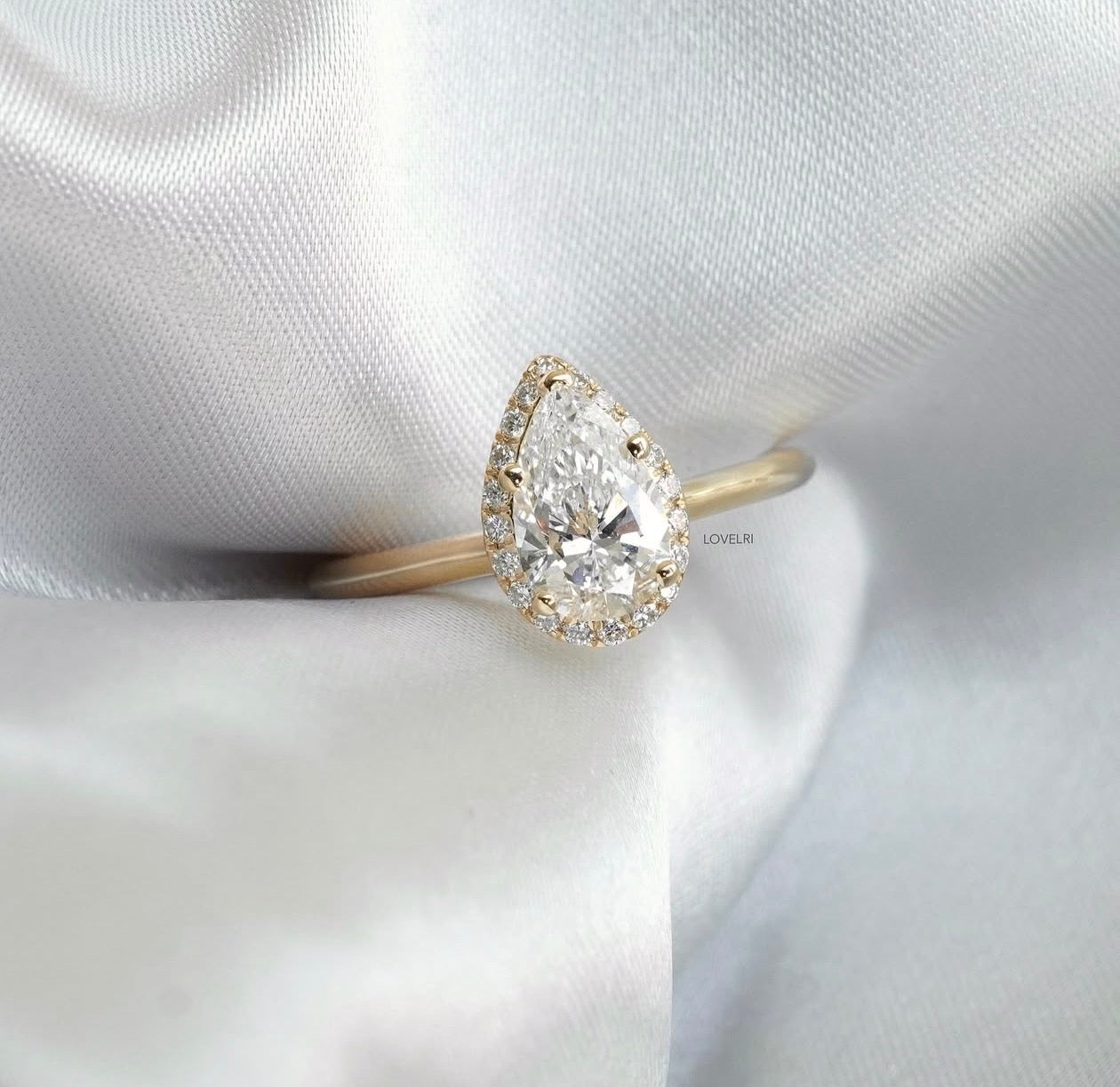
A halo engagement ring features a circle of smaller accent diamonds surrounding the centre stone. This creates the illusion of a larger diamond while adding extraordinary brilliance. The hidden halo variation tucks the accent stones beneath the centre stone, visible only from the side profile, offering a subtler enhancement that surprises with its intricate detail.
Choose a halo if you want dramatic presence and love the look of a larger-appearing stone. A hidden halo is perfect if you prefer a cleaner top-down view with a beautiful secret detail.
Cathedral: Architectural Elegance
In a cathedral setting, arched metal supports rise from the band to hold the centre stone, creating a striking profile reminiscent of the graceful arches found in Gothic architecture. This elevated design protects the diamond while giving the ring a sense of grandeur and height.
A cathedral setting is a beautiful choice for those who appreciate structural beauty and want their ring to make a statement from every angle, not just from above.
Side-Stone: Added Brilliance
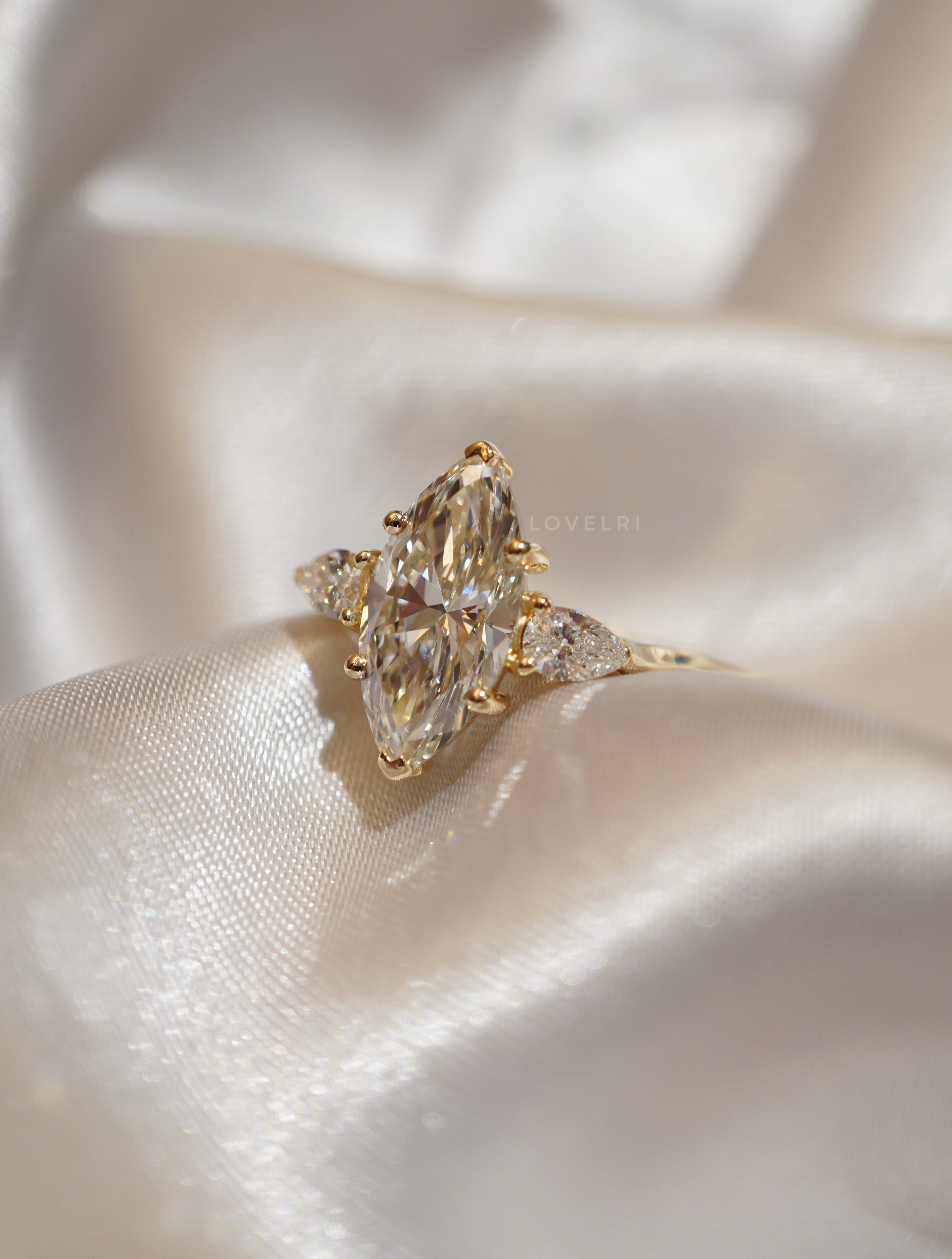
Side-stone engagement rings feature additional diamonds set along the band or flanking the centre stone. These can range from simple accent stones to elaborate three-stone designs where each diamond carries symbolic meaning: past, present, and future.
This setting is perfect if you love the idea of extra sparkle that extends beyond the centre stone, creating a cohesive, radiant look across the entire ring.
Pavé: A River of Light
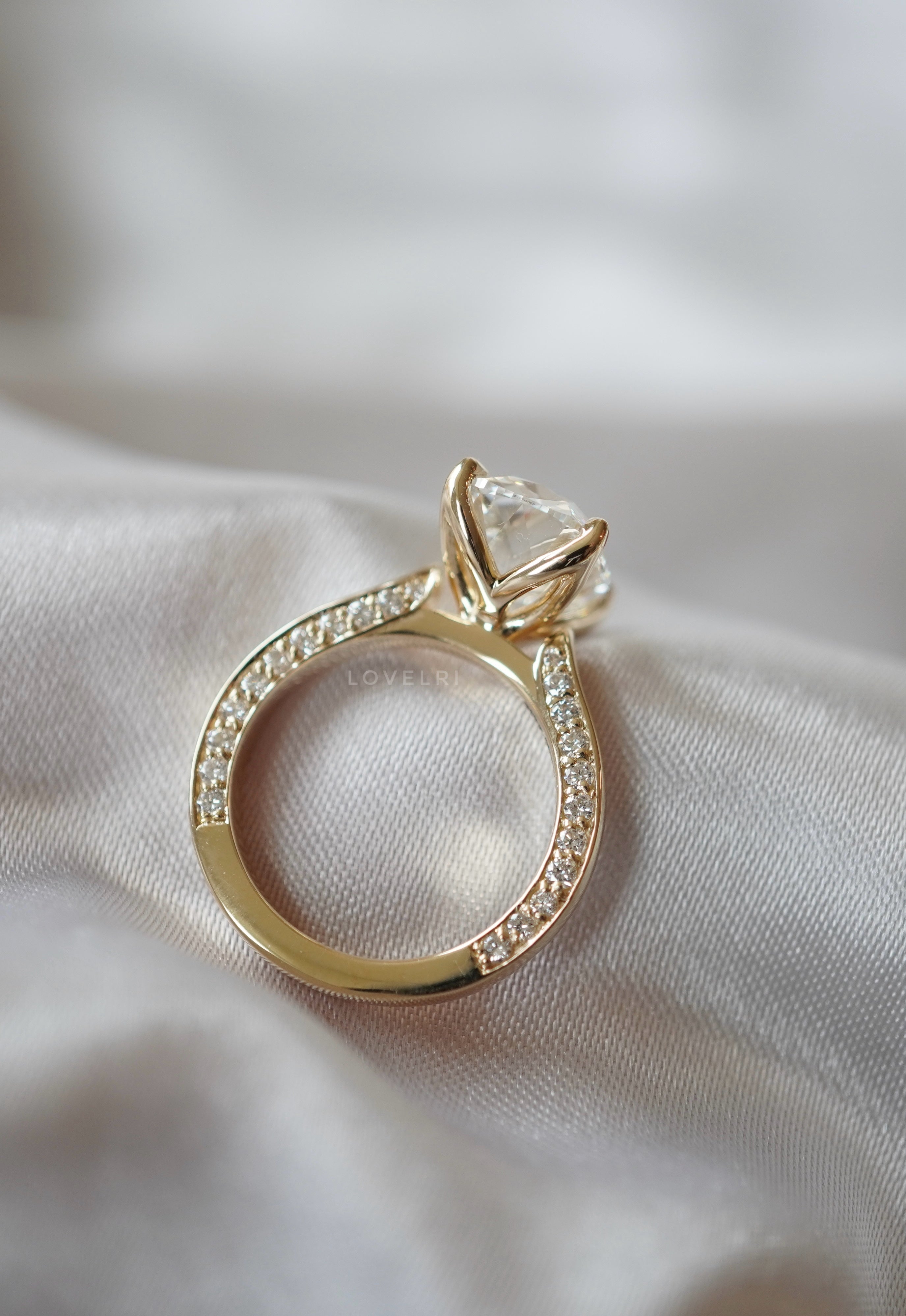
The pavé setting features tiny diamonds set closely together along the band, held in place by small prongs or beads. The result is a continuous shimmer that makes the entire ring appear to glow. Micro-pavé takes this even further with even smaller stones for a more refined, delicate effect.
Pavé is a wonderful choice if you want your engagement ring to catch light from every possible angle. It pairs especially well with round and oval centre stones.
Modern and Contemporary Designs
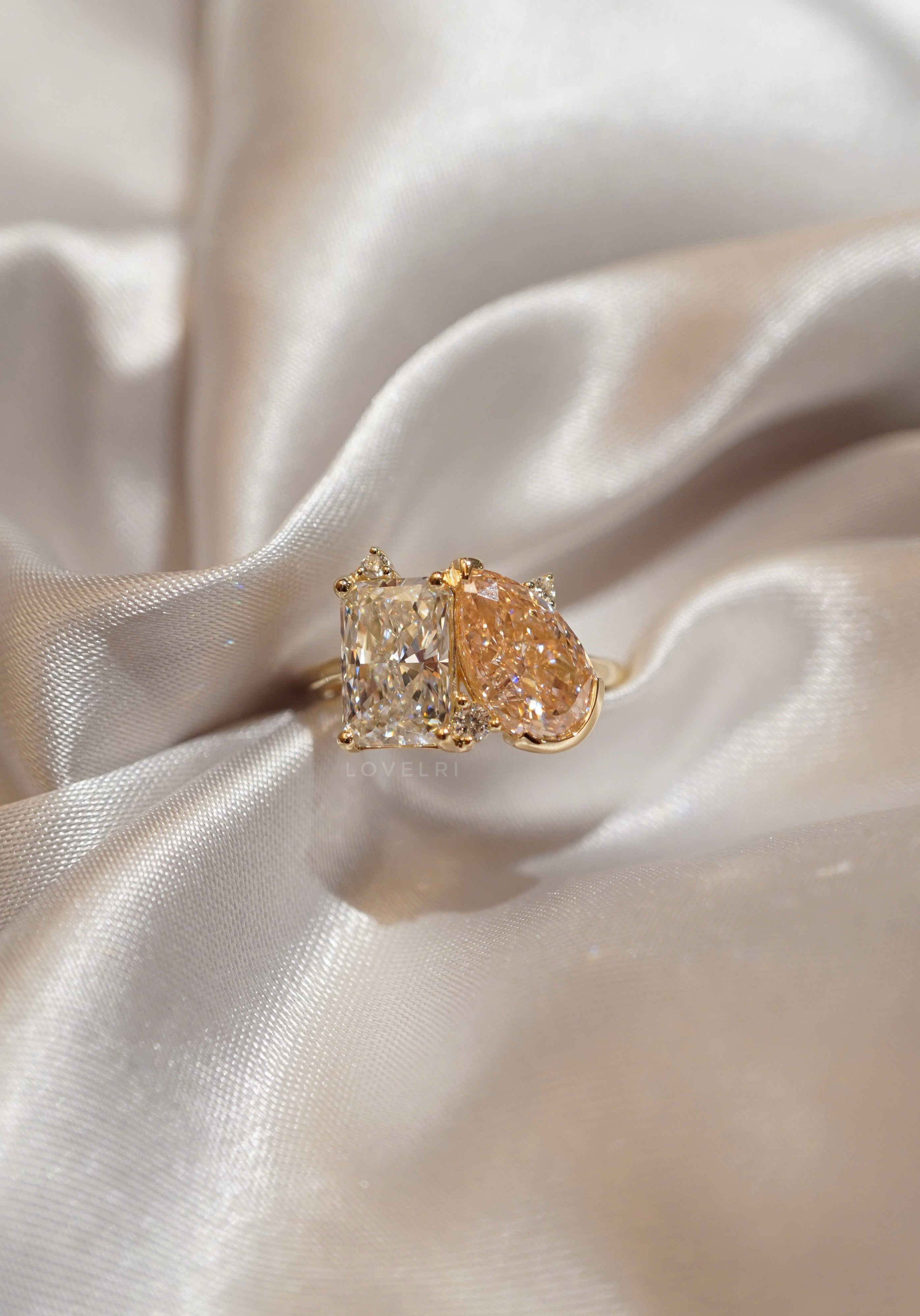
For those drawn to clean lines, geometric forms, and unconventional silhouettes, modern engagement ring designs offer a fresh perspective on tradition. Think bezel settings, east-west orientations, split shanks, and minimalist bands that let the design language speak as loudly as the stone itself.
Modern settings are ideal for individuals with a strong sense of personal style who want their ring to feel current and distinctive.
Nature-Inspired: Botanical Garden Collection
Lovelri's Botanical Garden collection draws inspiration from the organic beauty of the natural world. These designs incorporate flowing, vine-like details, petal-shaped accents, and delicate textures that evoke the elegance of a garden in bloom.
If you're someone who finds beauty in nature's imperfect symmetry and wants a ring that feels organic and romantic, this collection was crafted with you in mind.
How to Choose the Right Lab-Grown Diamond Engagement Ring: A Step-by-Step Guide
With so many options in front of you, it helps to have a clear framework for making your decision. Follow these steps to find a ring that feels perfect in every way.
Set Your Budget
Determine how much you'd like to invest before you start shopping. With lab-grown diamonds offering significant savings compared to mined stones, you may find that your budget stretches further than expected. This gives you room to prioritize a higher-quality stone or a more detailed setting.
Choose Your Centre Stone
Decide between a lab-grown diamond, moissanite, or natural diamond based on your priorities. Consider the 4Cs: prioritize cut above all else (it has the greatest impact on brilliance), then balance colour, clarity, and carat weight according to what matters most to you.
Select Your Setting Style
Think about your daily lifestyle. If you work with your hands frequently, a lower-profile setting like a bezel or a flush-set solitaire is practical. If you want maximum visual impact for special occasions, a halo or pavé design delivers unmatched sparkle.
Pick Your Metal
The metal you choose influences both the ring's appearance and its durability. White gold and platinum offer a cool, modern look that lets the diamond take centre stage. Yellow gold adds warmth and a vintage feel. Rose gold provides a romantic, contemporary aesthetic that flatters a wide range of skin tones.
Consider Customization
If none of the existing designs capture your full vision, custom engagement ring design allows you to create something entirely your own. At Lovelri, the bespoke process begins with a complimentary consultation and includes 3D digital renderings, so you can see and refine your ring before it's crafted by master jewellers in Toronto.
The Lovelri Custom Ring Experience
There's something deeply personal about wearing a ring that was designed specifically for you. At Lovelri, custom engagement rings aren't an afterthought; they're at the heart of what we do.
Here's how the process works:
- Complimentary Initial Consultation: You'll meet with our experts to explore your vision in detail. We discuss everything from diamond selection and carat size to setting style, band material, and personal aesthetic preferences.
- Concept Creation: Our designers translate your ideas into a 3D digital rendering. You'll see your ring in detail before it ever enters the workshop, and we refine every element together until the design feels exactly right.
- Master Craftsmanship: With over 40 years of fine jewellery expertise, our master jewellers in Toronto bring your design to life. Each ring is sculpted in gold or platinum, meticulously set, and polished to perfection.
-
Delivery: Your finished piece is carefully prepared and delivered approximately four weeks after approval, with expedited timelines available when needed.
Every Lovelri ring also comes with a Limited Lifetime Warranty against manufacturing defects and a complimentary one-time resize within the first year, so your ring is protected long after the proposal.
Understanding the 4Cs for Lab-Grown Diamonds
Whether you're buying a mined or lab-grown diamond, the 4Cs are the universal standard for evaluating quality. Here's how to think about each one as you shop.
Cut: The Most Important C
Cut refers to how well the diamond's facets interact with light. A well-cut diamond will exhibit exceptional brilliance (white light reflection), fire (coloured light dispersion), and scintillation (sparkle when the stone moves). Always prioritize cut quality. An excellent or ideal cut will make even a slightly smaller diamond look more impressive than a larger stone with a mediocre cut.
Colour: The Subtle Spectrum
Diamond colour is graded on a scale from D (colourless) to Z (light yellow or brown). For most engagement rings, diamonds in the G to I range offer an excellent balance of near-colourless appearance and value. In white gold or platinum settings, these stones appear virtually colourless to the naked eye.
Clarity: Finding the Sweet Spot
Clarity measures the presence of internal inclusions or surface blemishes. Most imperfections are microscopic and invisible without magnification. Diamonds graded VS1 to VS2 (Very Slightly Included) offer exceptional value because they're "eye-clean," meaning no inclusions are visible to the unaided eye, yet they cost significantly less than Flawless or Internally Flawless grades.
Carat: Size in Context
Carat refers to the diamond's weight, not its visual size. Two diamonds of the same carat weight can look quite different depending on their cut and shape. Elongated shapes like oval, marquise, and pear tend to appear larger per carat than round diamonds because they distribute their weight across a wider surface area.
Because lab-grown diamonds cost less per carat, you have the flexibility to choose a larger stone without exceeding your budget, one of the most compelling advantages of going lab-grown.
Caring for Your Lab-Grown Diamond Engagement Ring
A lab-grown diamond has the same durability as a mined diamond, which means it's built to last a lifetime with proper care. Here are some straightforward tips to keep your ring looking its best.
- Regular cleaning: Soak your ring in warm water with a few drops of mild dish soap for 20 to 30 minutes. Gently brush with a soft-bristled toothbrush, paying attention to the underside of the setting where oils and lotions accumulate. Rinse thoroughly and pat dry.
- Professional inspection: Have your ring inspected by a jeweller at least once a year. They'll check prong security, look for signs of wear, and give your ring a professional polish.
- Safe storage: When you're not wearing your ring, store it in a soft-lined jewellery box or pouch, separate from other pieces to prevent scratching.
- Remove during activities: Take your ring off when exercising, gardening, cleaning with harsh chemicals, or swimming in chlorinated water. These activities can loosen settings and dull the metal over time.
Frequently Asked Questions About Lab-Grown Diamond Engagement Rings
What is the difference between a lab-grown diamond and a mined diamond?
Lab-grown diamonds and mined diamonds share the exact same chemical composition, crystal structure, and optical properties. The only difference is their origin. Lab-grown diamonds are created in controlled laboratory environments using advanced technology that replicates the natural conditions under which diamonds form. They're certified by the same gemological institutes, including IGI, and are virtually indistinguishable from mined diamonds without specialized equipment.
How do I customize a lab-grown diamond engagement ring?
Customizing a lab-grown diamond engagement ring starts with a consultation where you share your vision with a jeweller. At Lovelri, the custom ring process includes four steps: an initial complimentary consultation to explore your preferences, a concept creation phase with 3D digital renderings, master craftsmanship in Toronto where your ring is sculpted in gold or platinum, and final delivery approximately four weeks later.
What are the best ring settings for lab-grown diamonds?
The best ring settings for lab-grown diamonds include solitaire settings for classic elegance, halo settings for maximum sparkle, cathedral settings for a dramatic profile, pavé bands for continuous shimmer, and side-stone designs for added brilliance. The right choice depends on your personal style, daily lifestyle, and how you want your diamond to interact with light.
Are lab-grown diamonds worth buying for an engagement ring?
Absolutely. Lab-grown diamonds offer the same brilliance, hardness (10 on the Mohs scale), and fire as mined diamonds, but at a significantly lower price point. They're ethically sourced, environmentally responsible, and certified by respected institutions like IGI. Many couples choose lab-grown diamonds because they can invest in a larger, higher-quality stone while staying within budget, without compromising on beauty or durability.
Find Your Perfect Lab-Grown Diamond Ring
Every Lovelri ring is handcrafted by master jewellers in Toronto with the same care and precision, whether you choose from our curated collections or create something entirely your own. Explore our lab-grown diamond engagement rings, discover the brilliance of our moissanite collection, or begin designing your custom engagement ring today.
Your love story is one of a kind. Your ring should be too.